
2026-07-20 · Mark Thibodeaux
Preventing Mold After a Flood in Southeast Texas Humidity
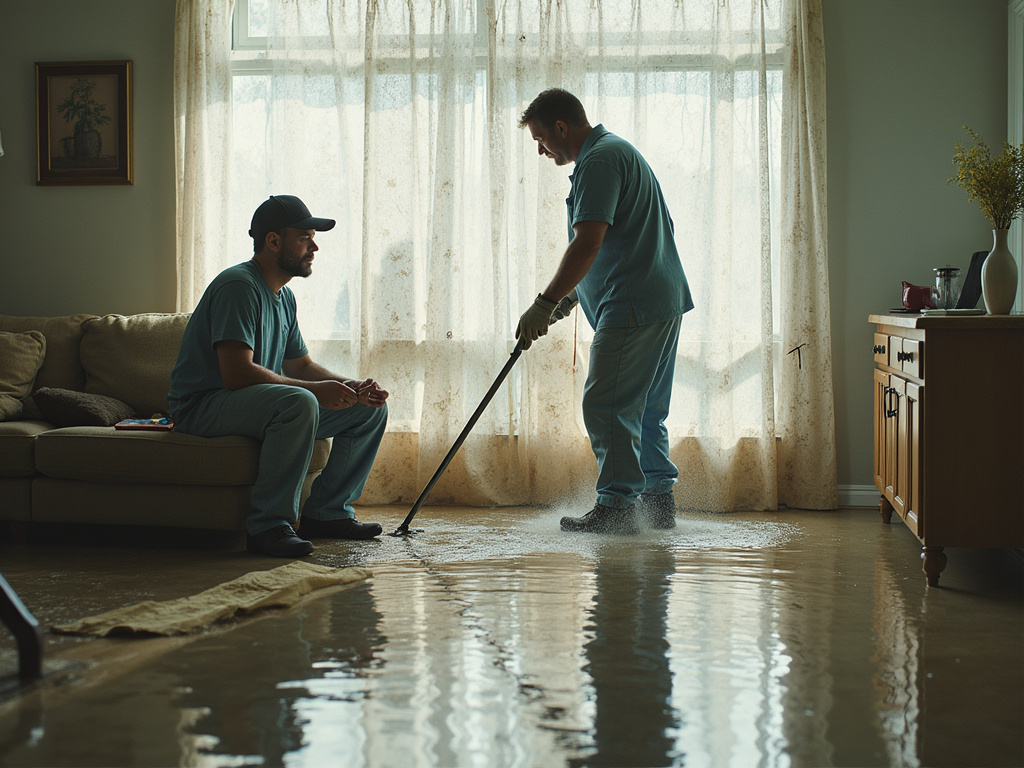
In Bridge City's humid Southeast Texas climate, mold can begin growing within 24 to 48 hours once floodwaters recede from slab foundations near the Neches River or Cow Bayou. Acting inside that window limits spore spread and keeps remediation costs lower than full removal later.
Starting the Drying Process Right Away
After storms like Harvey or Laura send surge from Sabine Lake across Roundbunch Road, remove standing water first with pumps and wet vacuums. Then focus on air movement using industrial fans placed to pull moisture outward through doors and windows. Dehumidifiers set to 45-50 percent relative humidity pull remaining dampness from slab concrete and subfloors before spores settle. Homeowners who skip this step often see black mold appear behind baseboards within three days. Pair fans with moisture meters to check drywall and carpet padding at multiple points each day. If readings stay above 15 percent after 72 hours, hidden pockets remain. This timeline matches what crews see repeatedly in the Golden Triangle after each hurricane season.
Managing Humidity Levels Year-Round
Southeast Texas humidity rarely drops below 70 percent, even in winter, so post-flood homes near the Rainbow Bridge need ongoing control. Run a whole-house dehumidifier sized for 2,000-3,000 square feet and empty it twice daily during the first week. Keep indoor temperatures between 72 and 78 degrees to reduce condensation on slab surfaces. Check crawl spaces or pier-and-beam sections if your home has them, though most Bridge City residences sit on slabs that trap moisture underneath. Replace HVAC filters every 30 days after flooding because spores travel through ducts. These habits cut regrowth risk even when another storm like Ike repeats.
Inspecting Slab Foundations for Hidden Moisture
Slab homes along Texas Avenue absorb water upward through the concrete, leaving moisture trapped under flooring. Lift corners of vinyl or carpet and test with a pin meter at least 12 inches inward from walls. Pay special attention to bathrooms and laundry rooms where plumbing penetrations meet the slab. If readings exceed 20 percent, cut small inspection holes in drywall two inches above the floor to allow airflow underneath. Never seal the slab with new flooring until moisture drops below 12 percent. Local crews at RiverFlow Bridge City see repeated failures when homeowners skip this check and install fresh materials too soon.
Partnering with Local Experts for Thorough Remediation
When visible mold exceeds 10 square feet or returns after DIY drying, contact professionals who know Bridge City conditions. Structural drying crews use truck-mounted equipment that handles the volume of water from river and bayou flooding. For active growth, mold remediation follows containment protocols that protect the rest of the home. Review your first-24-hour plan in the article What to Do in the First 24 Hours After a Flood in Bridge City before the next event. If insurance questions arise after hurricanes, the guide How Bridge City Homeowners Handle Water Damage Insurance Claims After a Hurricane outlines documentation steps. Call RiverFlow Bridge City for an on-site assessment that starts the same day.