2026-07-20 · Mark Thibodeaux
Why Water Damage in Bridge City Leads to Mold So Quickly
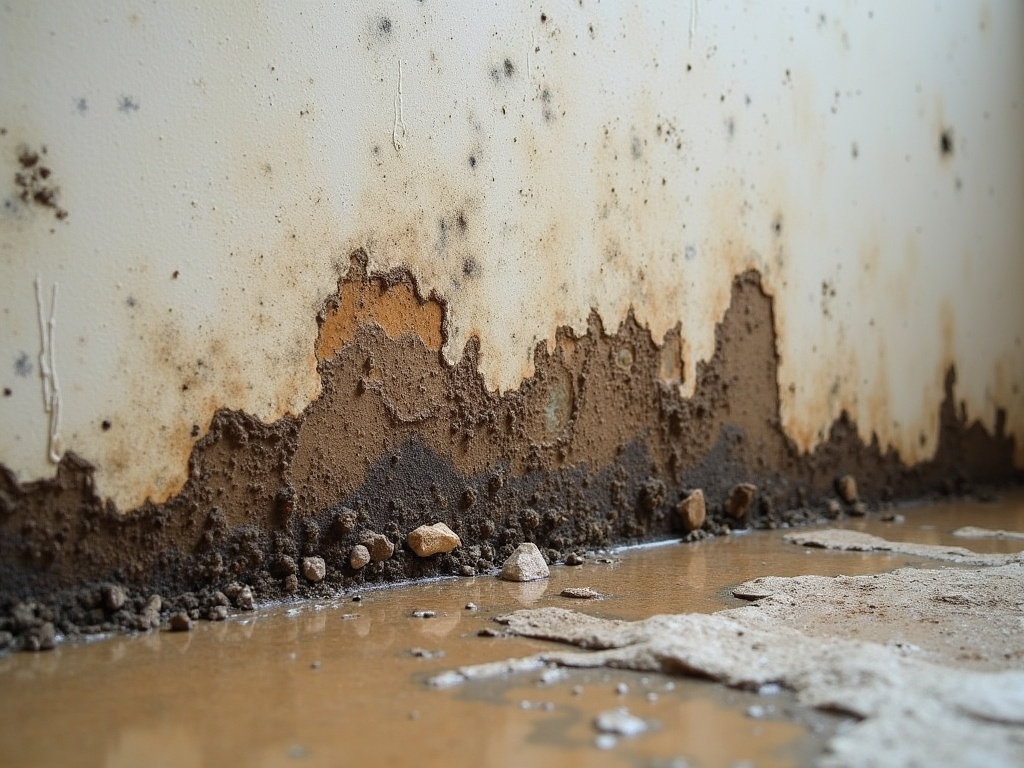
Water damage in Bridge City leads to mold growth within 24 to 48 hours because the area's year-round humidity above 70 percent combines with standing water trapped under slab foundations after storm surges from Sabine Lake and the Neches River. Local homes on Texas Avenue and Roundbunch Road see this timeline repeat after every major event from Ike in 2008 through Laura in 2020.
Bridge City Humidity Meets Floodwater
In Southeast Texas the air rarely drops below 65 percent relative humidity even in winter. When floodwater from Cow Bayou or the Sabine River enters a home it raises indoor moisture levels to saturation within hours. The combination lets mold spores that already float in the Golden Triangle air land on wet drywall, carpet, and subflooring and begin colonizing before homeowners finish pumping out the water. Slab foundations common throughout Bridge City trap additional moisture underneath the concrete, feeding growth from below while surface drying looks complete. Residents near the Rainbow Bridge and Veterans Memorial Bridge face the same pattern because storm surge funnels moisture into low-lying neighborhoods faster than in inland areas.
How Slab Foundations Hide Moisture
Most Bridge City homes sit on concrete slabs poured directly on grade. After a hurricane or heavy rain event water migrates under the slab through plumbing penetrations and expansion joints. This hidden reservoir keeps the bottom of walls and floor coverings damp for days or weeks. Standard box fans and dehumidifiers placed on the surface cannot reach it. The trapped moisture migrates upward through the slab edge, creating perfect conditions for mold on baseboards and behind cabinets. Without targeted extraction and drying equipment the cycle repeats after each new flood from the Neches or Sabine systems.
Timeline from Water to Visible Mold
Mold colonies become visible on porous materials in Bridge City homes between 24 and 48 hours when indoor humidity stays above 60 percent. Black mold often appears first in corners where air circulation is poorest, such as behind appliances or in closets. By day three the colonies produce more spores that spread through HVAC systems common in local slab homes. Waiting even one extra day multiplies remediation costs because drywall and insulation must be removed rather than simply dried. Professional structural drying breaks this timeline by pulling moisture from beneath slabs and inside wall cavities before colonies establish.
Stopping Growth with Targeted Local Response
Calling RiverFlow Bridge City right after water recedes allows technicians to map moisture with meters, extract water from under slabs, and run commercial dehumidifiers sized for Gulf Coast conditions. Their process includes removing affected carpet padding and baseboards so air can reach hidden wet spots. Homeowners who follow the initial 24-hour steps outlined in related guidance see far less mold later. When growth has already started, mold remediation crews contain the area, remove contaminated materials, and treat remaining surfaces to prevent recurrence in the humid climate. For homes in nearby Orange the same rapid timeline applies because the geography and humidity are identical.
When to Schedule Professional Drying
If standing water remains after 12 hours or indoor humidity readings stay above 55 percent, schedule extraction and drying immediately. Delaying past the 48-hour mark almost always requires mold remediation in addition to drying. RiverFlow Bridge City crews familiar with local slab construction and repeated hurricane flooding can reach affected homes on Texas Avenue or Roundbunch Road within hours and deploy equipment that addresses both surface and sub-slab moisture. Acting inside the first day keeps the job limited to water removal rather than full reconstruction.