2026-07-20 · Mark Thibodeaux
Sewage Backup Cleanup: A Bridge City Homeowner's Guide
Sewage backup cleanup in Bridge City homes after river or surge flooding requires professional extraction, disinfection, and drying within the first 48 hours to prevent rapid bacterial growth and mold in our humid climate, though full restoration often stretches to 7-10 days when water reaches slab foundations or wall cavities.
Why Sewage Backups Happen Here
Bridge City sits at the intersection of the Neches and Sabine rivers plus Cow Bayou, so heavy rainfall or Gulf surges push contaminated water backward through municipal lines and into slab homes. Events like Hurricane Harvey and Laura showed how quickly the Rainbow Bridge area and Roundbunch Road neighborhoods can see street flooding reach 2-4 feet inside residences. Slab foundations trap moisture under flooring, and year-round humidity above 70 percent lets bacteria and mold multiply within days. RiverFlow Bridge City crews see these patterns repeat after every major storm because local drainage cannot keep up with the volume coming off Sabine Lake.
First Actions Before Professionals Arrive
Turn off electricity at the breaker if water is near outlets, then avoid walking through contaminated areas to limit tracking sewage into clean zones. Open windows for ventilation but do not run fans until standing water is removed, as that spreads aerosols. Document everything with photos for insurance and note the water source—whether it came from the street or backed up through toilets—so the restoration team knows the contamination level. Homeowners in Texas Avenue and Veterans Memorial Bridge corridors often wait too long to call, allowing odors to penetrate drywall and carpet padding.
What Professional Sewage Cleanup Involves
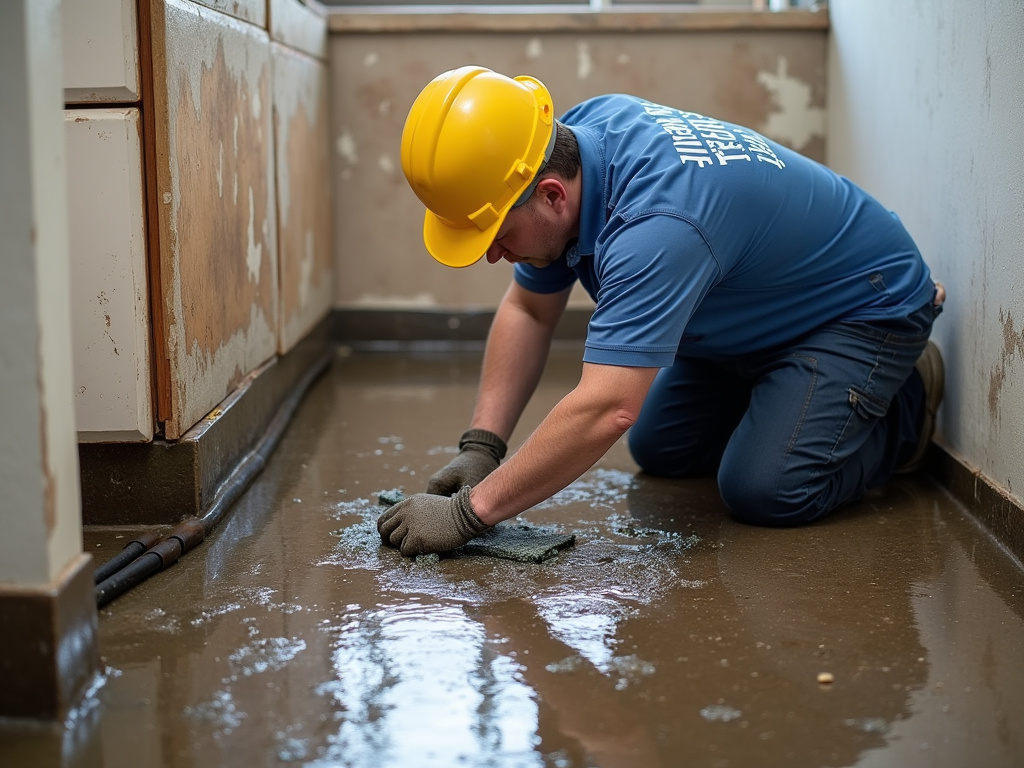
Technicians start with extraction using truck-mounted pumps, followed by removal of saturated porous materials like carpet and baseboards. They apply EPA-registered disinfectants to all hard surfaces and use air movers plus dehumidifiers sized for Southeast Texas humidity. Hidden moisture behind cabinets or under slabs is located with moisture meters and thermal cameras before sewage cleanup and disinfection finishes. In many Bridge City properties, crews also coordinate with water damage cleanup teams when storm water mixes with sewage.
Mold and Long-Term Health Concerns
Our climate keeps indoor relative humidity high enough that untreated sewage residue triggers mold colonies in 3-5 days. This is especially true in homes near the Golden Triangle where repeated flooding has already compromised older drywall. Early signs include musty smells and dark staining along baseboards. Residents should review why water damage in Bridge City leads to mold so quickly to understand why skipping proper drying creates ongoing respiratory issues for families.
Protecting Your Home Going Forward
Install backflow valves on main sewer lines and grade soil away from the foundation so future surges drain toward the street instead of the slab. After Hurricane Ike and Laura, many owners on Roundbunch Road added French drains tied to sump pumps with battery backups. Keep trees trimmed near the Neches River corridor so debris does not clog storm drains. When storm season approaches, review hurricane season prep for Bridge City and Orange County homes and schedule an annual inspection with RiverFlow Bridge City to catch weak points before the next surge.
Contact RiverFlow Bridge City at the first sign of sewage odor or standing water so crews can begin extraction before bacteria spread further into your slab home.